5 Tips to Making Your Own Online Flashcards for Studying

Video learning resources are a phenomenal way to complete certification training. But when it comes to recalling the information that you spent many hours learning, things start to get tough. But there’s good news: flashcards are here to save the day.
Flashcards help you focus on specific concepts and memorize complex facts. The only thing better than using flashcards is making your own. You can create drills for yourself using flashcard sequences that cover all the parts of your training you are struggling with. Reinforcing your memory with practiced recall will help you avoid falling for ‘gotcha’ questions and will allow you to remember details about your learning for well after the exam.
We have wrangled five practical tips that will help you make the most from your study time, and really make those facts stick with flashcards.
Tip 1: Keep Each Flashcard to One Idea
Your brain remembers best when things stay simple. Cramming too much onto a single card upsets your recall abilities and slows down your self-testing.
What This Looks Like
Focus on one concept per card:
One definition
One command
One concept
One step in a process
Think of it like this: if you can’t answer the question in 5 seconds, you’re probably trying to cover too much ground on that card. Split it up into different cards for each item you are trying to remember.
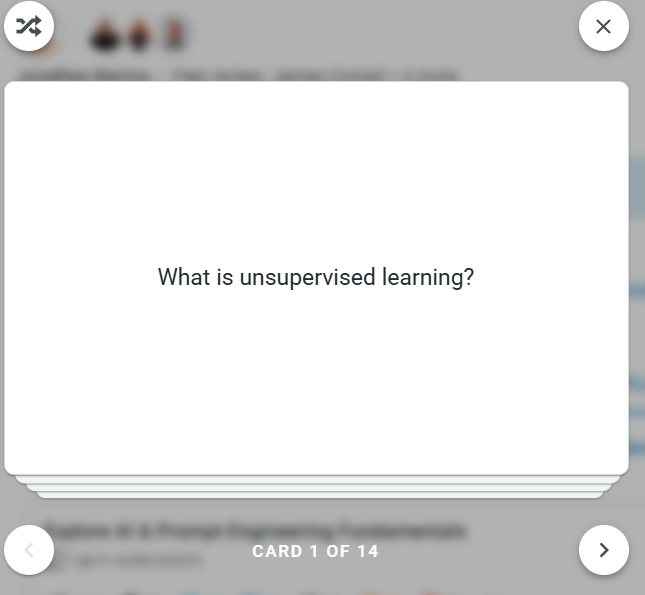
Keep it simple.
Why it Works
Bite-sized questions give you cleaner recall and more accurate self-testing. If a card has multiple ideas, then your brain doesn’t know what you’re actually trying to remember. You’ll second-guess yourself during your study reviews, which wastes time and can undermine your confidence.
Tip 2: Turn Concepts Into Questions
Instead of writing notes on a card, turn them into questions that your brain has to answer. This forces your brain into active thinking mode rather than passive reading.
Strong Flashcard Questions Should Include:
"What does this command do?"
"When should you use X instead of Y?"
"Which port does protocol ABC use?"
"What is the first step in troubleshooting X?"
With a bit of practice, your flashcards will start to resemble the questions that you’ll find in the exam. Questions help your brain retrieve the information you’ve already learned instead of just reading passively.
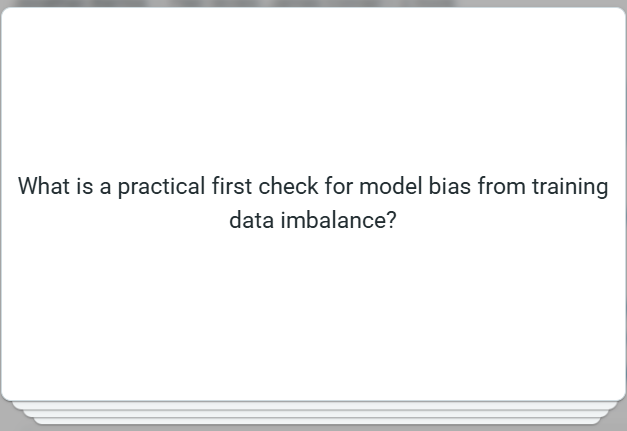
Why it Works
Questions help your brain shift gears. You’re not just reading facts or concepts passively for the millionth time; you’re asking your brain to start working. Passive reading doesn’t engage your memory, but questions help energize your brain and reinforce neural pathways for memory recall.
Active recall can feel a little uncomfortable at first, especially if you’ve taken a break from studying for a while. Your brain loves showing off though, and after a while, you’ll notice your recall getting faster and the answers will start flowing.
Tip 3: Add Context or Examples When Needed
Adding context lets you remember why something matters. The trick is to find the right balance without overdoing it. A quick example is better than an entire paragraph explaining context.
Use Miniature Examples Like:
A quick CLI snippet showing the command in action
A short scenario that sets up “when you'd use this”
A simple diagram or analogy that makes the concept click
Context anchors information to something real and gives your brain a hook to hold onto.
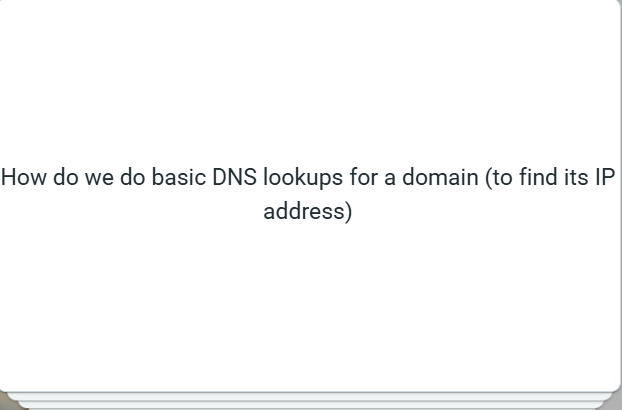
Front of the card (See the context about why you might use the DNS command?
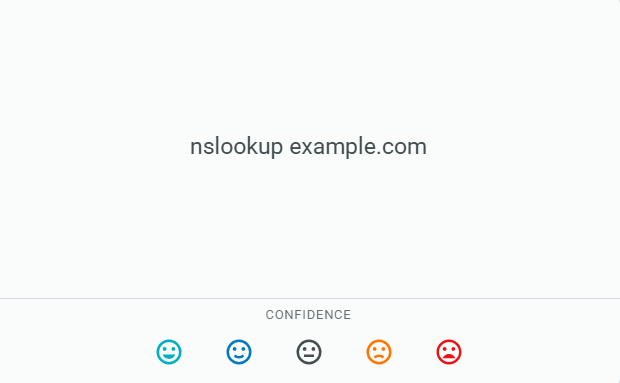
Why it Works
Examples make concepts “stickier” and easier to recall when you are under pressure. Your brain doesn’t store abstract information very well, but it's great at remembering stories, pictures, and solid examples.
Tip 4: Review Flashcards in Small, Frequent Sessions
Having excellent flashcards that you understand is game-changing, but how you use them is just as important.
People generally don’t learn very well during marathon study sessions. Our brains start to glaze over after extended study time. Have you ever finished reading a sentence and realized that you don’t remember what you just read? That’s your brain checking out of the study session.
To effectively retain your study material, it is essential to study in small, repetitive sessions over time. Think of it like working out at the gym; you wouldn’t try to do every exercise in a single session and expect great results. You generally want to develop a routine and work out consistently, in shorter sessions over time, to achieve the best results.
How to Review Effectively
3 to 5-minute sessions work better than 60-minute grinds
Review right after learning a new skill while it's fresh
Small daily repetitions build lasting memory (spaced repetition)
Rate your confidence to see what you really know
Using flashcards like this actually fits into your schedule, no matter how busy you are. You can knock out a quick flashcard session during a coffee break without disrupting your day.
Why it Works
Short, consistent reviews signal your brain that the material is important. When you spend dedicated time consistently and repetitively going over information, it’s much easier to remember. We tend to forget things we see only once, or remember only vague parts of what we saw or read.
Think of each short session as sending a signal to your brain saying ‘We made time for this, it must be important—let’s keep it”. The more signals you send, the more likely you are to remember.
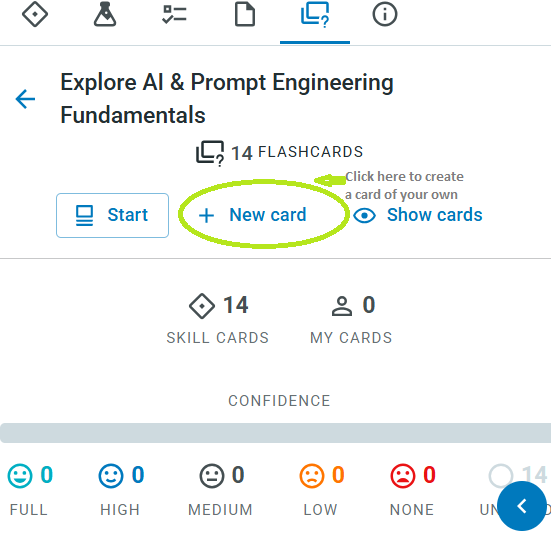
Tip 5: Use the Confidence-Based Review System to Study Smarter
Every time you answer a flashcard inside CBT Nuggets, you’ll rate your confidence from Full Confidence all the way down to No Confidence. That rating isn’t just for show. It tells the platform exactly where you’re strong and where you need more practice.
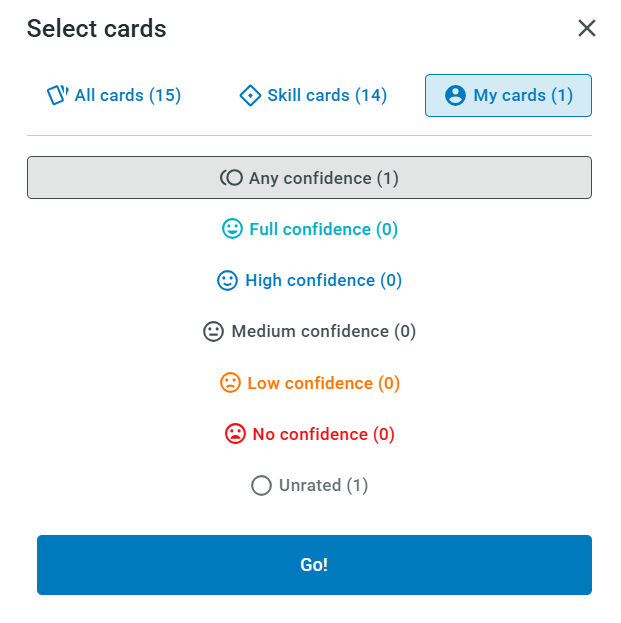
The confidence options look like this:
Full confidence: “I know this cold.”
High confidence: “I remember it, but let’s check again later.”
Medium confidence: “I kind of know it, but I could be wrong.”
Low confidence: “I’ve seen this… somewhere…”
No confidence: “Yeah, this one’s new to me.”
Unrated: Cards you haven’t reviewed yet.
How to Use Confidence Ratings to Your Advantage:
Start with Any Confidence to warm up. This helps you quickly get back into study mode so you can start learning. Then:
Move into Low and No Confidence cards to patch your weak spots.
End your session by reviewing a few High and Full Confidence cards to lock them in long-term.
This turns every session into a quick cycle of: (1) Learn → (2) Test → (3) Strengthen weak areas → (4) Reinforce what you know.
If you follow this pattern, your knowledge stays sharp—and your exam readiness builds naturally with each review.
Final Thoughts
Flashcards are effective because they force your brain to actively retrieve information, and this process of retrieval is what creates lasting learning. Reading and highlighting a textbook doesn’t encourage active learning, but flashcards do.
The tips you’ve read through will help you make flashcards that will flex your recall muscles and retrieve information for exam day, but the real secret is consistency. Five minutes a day will give you better results than hours of cramming before the exam.
Want to try flashcards? Get a free 7-day trial and test it out for yourself.
IT Leaders Stay a Step Ahead
Subscribe to email updates from CBT Nuggets for practical IT training insights, cert roadmaps, team readiness tips and more.